
A damaged fireproofing system is not a finish-quality issue. It can compromise the rated performance of structural steel, walls, floors, shafts, and penetrations that are expected to contain fire and protect occupants. Knowing how to assess fireproofing damage starts with one discipline: do not judge the condition by appearance alone. The question is whether the installed system still matches the tested, listed, and approved assembly.
On an active commercial project, that answer affects more than code compliance. It can determine whether an inspection passes, whether drywall can close, whether ceiling work must be reopened, and whether turnover stays on schedule. A field assessment should identify the damage, establish the affected assembly, protect the area from further disruption, and lead to a documented repair using an approved system.
Start by Identifying What Type of Fireproofing Is Damaged
Fireproofing is not one product or one scope. A reliable assessment begins by separating spray-applied fire-resistive material, commonly called SFRM, from firestop systems. They serve different functions, fail in different ways, and cannot be repaired with a generic patch.
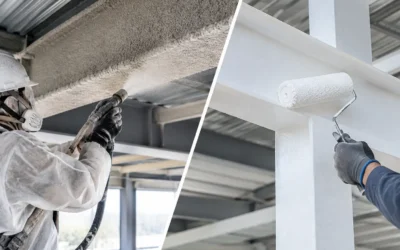
SFRM is installed on structural steel, metal deck, and other substrates to provide a prescribed fire-resistance rating. Damage may appear as impact gouges, cracking, delamination, missing material, water staining, soft or friable areas, or thin coverage around beams, columns, connections, and deck flutes.
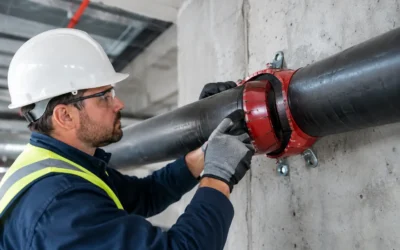
Firestopping restores the rating of a wall or floor assembly where it is interrupted by pipes, conduits, cable trays, ducts, structural joints, or other penetrations. Common problems include missing sealant, loose mineral wool, unsealed annular space, oversized openings, incompatible materials, incomplete joint systems, and later trade work that disturbed an installed system.
These conditions require different evaluation methods. SFRM must be measured and reviewed against the applicable design density, thickness, and substrate conditions. Firestop must be traced to a tested system that matches the actual opening, penetrant, movement condition, and assembly construction.
Secure the Area Before the Assessment Begins
If SFRM is falling, heavily delaminated, or wet, keep personnel clear of the immediate area until it can be evaluated. Falling material creates a jobsite hazard, but the larger concern is often hidden loss of protection on the steel behind it.
For damaged firestop, prevent further trade activity at the opening where practical. An electrician adding conductors, a low-voltage contractor enlarging a sleeve, or a mechanical crew shifting a pipe can turn a repairable condition into a full system replacement. Photograph the condition before anyone removes materials or attempts a field fix.
Do not scrape, drill, or remove existing fireproofing simply to investigate unless the work is planned and controlled. On older buildings or renovation projects, material age and building history may require environmental review before disturbance. The assessment process should protect workers as well as the rated assembly.
Assess SFRM Damage Against the Approved Design
A visual walk is useful, but it is only the first pass. The field team should locate the affected steel member or deck area and determine the required rating for that location. A two-hour beam, for example, may have different material thickness requirements than an adjacent column or deck assembly.
Review available submittals, approved shop drawings, manufacturer data, and the project fireproofing schedule. The repair material should be compatible with the original system and installed in accordance with the manufacturer requirements and the tested design. A patch that looks acceptable but uses the wrong material, density, thickness, or surface preparation can still fail inspection.
Look for Loss of Bond and Coverage
Impact damage is easy to see. Loss of bond is not always as obvious. Check for hollow-sounding areas, cracking that follows the substrate, sagging material, separation at beam flanges, and damaged corners at columns or exposed framing. Water exposure deserves special attention because moisture can weaken adhesion and conceal deterioration behind apparently intact material.
Measure remaining thickness where damage is visible and compare it with the specified thickness for the assembly. Do not assume that material surrounding a damaged spot is compliant. If a lift, scaffold, or other equipment struck a member, inspect the full exposure zone, including underside flanges, web areas, and adjacent deck.
Also verify that repairs will not interfere with other work. Hangers, clips, duct supports, and ceiling attachments often create missed areas or later damage. Coordination is part of the repair scope, not an afterthought.
Separate Cosmetic Defects From Rating-Critical Defects
Minor surface texture variation may not affect performance. Missing material, damaged thickness, poor adhesion, exposed steel, or unprotected connections are rating-critical conditions. The distinction must be made against the approved assembly, not by a subjective visual standard.
An experienced fireproofing contractor can determine whether localized patching is appropriate or whether the condition points to a broader application problem. If damage is widespread, a limited patch program may only postpone the next failed inspection. The correct response depends on the cause, extent, and design requirements.
Assess Firestop Damage by Matching the Actual Condition to a Listed System
Firestop assessment is fundamentally an assembly-verification exercise. A rated wall or floor is only protected when the opening and its firestop system match a tested and listed configuration. The installed condition must be reviewed as it exists in the field, including the assembly type, opening size, penetrant type, penetrant spacing, annular space, backing material, sealant depth, and movement requirements.
A common mistake is to focus only on whether red sealant is present. Color does not establish compliance. A sealant bead around a conduit may be insufficient if the listed system requires mineral wool packing, a specific depth of fill, an intumescent material, or limits on the number and size of penetrants.
Inspect the Conditions That Commonly Get Missed
Openings above ceilings, in shaft walls, beneath raised floors, and behind mechanical equipment are frequent sources of missed firestop. So are sleeves that were installed for future use and abandoned openings left after a trade reroute.
Pay close attention to mixed penetrations. A single opening may contain conduit, cable, insulated piping, and communication lines, each affecting which UL-listed system can be used. If the condition has changed since the original installation, the original firestop detail may no longer apply.
Joints require the same level of care. Head-of-wall joints, curtain wall perimeter joints, and expansion joints are designed to accommodate movement while maintaining fire-resistance performance. Cracked sealant, missing backing, improperly attached spray material, or a joint filled rigidly where movement is expected can indicate a failed or noncompliant condition.
Document Damage in a Way That Supports Repair and Inspection
A repair program moves faster when the assessment record is usable by the superintendent, project manager, firestop contractor, design team, and inspector. Each documented deficiency should identify its exact location, the assembly involved, the observed condition, the likely cause if known, and the recommended next action.
Use marked-up floor plans, grid lines, room numbers, column designations, and clear photographs with scale where possible. For firestop, include photos before repair, during installation when backing or packing is visible, and after completion. For SFRM, document substrate preparation, repaired areas, thickness verification, and final condition as required by the project quality-control plan.
Good documentation does not replace installation quality. It proves that the work was assessed, repaired, and verified with the same attention expected at inspection. It also gives facility teams a record they can use when future renovations create new penetrations or disturb protected assemblies.
Avoid the Fast Fix That Creates Rework
Schedule pressure often leads to improvised repairs: a laborer patches SFRM with an unapproved material, sealant is applied over debris, or a penetration is closed before the listed system is confirmed. Those shortcuts can create concealed deficiencies that surface during final inspection or, worse, after occupancy.
The better approach is to isolate the condition, confirm the rated assembly, select the approved repair method, and coordinate access with affected trades. When an opening or damaged member affects a critical inspection milestone, bring in a qualified passive fire-protection specialist early. Fast response matters, but only if the completed repair is inspection-ready and durable.
Know When to Escalate the Assessment
Escalate immediately when structural steel is exposed in a rated condition, SFRM has widespread bond failure, water has affected a large protected area, a shaft or egress enclosure has open penetrations, or the available system cannot be matched to the field condition. These are not punch-list items to defer without a defined corrective plan.
Colonial Fireproofing evaluates SFRM and firestop conditions with the same standard required for compliant installation: verified assemblies, manufacturer-compatible materials, UL-listed systems, and documentation that supports the inspection process. For a damaged condition, the most useful next step is a field review before other trades conceal the evidence or add to the repair scope.
When the condition is unclear, treat it as a life-safety and coordination issue first. A prompt, documented assessment gives the project team the best chance to repair it correctly, preserve the schedule, and keep the finished building prepared for the fire event nobody can afford to underestimate.